
There is a familiar hum around the national team as Bafana Bafana at AFCON 2025 draws near, a blend of quiet confidence and hard lessons learned. The bronze in Ivory Coast was not an end point, it was a beginning. Now the schedule in Morocco is clear, Angola first, then Egypt, then Zimbabwe, and the margins for error feel smaller than ever.
What Hugo Broos wants from this squad
Hugo Broos has built this group with one principle in mind, tactical flexibility. He reminded everyone that last time, after losing the opener to Mali, Bafana adjusted midstream and grew into the tournament. In the semifinal against Nigeria they shifted to a back five and took it to penalties. The coach wants options for every scenario.
Broos explained that having players who can operate in different roles is non negotiable. He singled out Thabang Matuludi at right wing-back as a selection shaped by that reality, and by club minutes. Thapelo Morena misses out after limited playing time at Mamelodi Sundowns, a tough call guided by rhythm and readiness.
“Sometimes it is very important to have players in different positions, because you never know what you have to do,” said Broos. “At the last AFCON against Nigeria we played with three central defenders and it was a good tactic.”
The message is consistent. You cannot begin with a defeat this time. The dates are set, Angola on December 22, Egypt on December 26, Zimbabwe on December 29. Broos believes winning the first game is a big step toward survival in Group B, and he wants a team that can adapt in real time.
The left-back question and why it matters
No position has stirred more talk than left-back, where Aubrey Modiba stands as the only specialist option in the final squad. Former Bafana defender Matthew Booth put the issue plainly, noting it could test the balance of the back line. He suggested that one of the wide players might be asked to fill in if needed, which would be a calculated risk.
Phumudzo Manenzhe pushed back on the anxiety, pointing to in-house solutions. He highlighted Samukelo Kabini and Mbekezeli Mbokazi as players who can cover left-back or left centre-back, offering the kind of cover that Broos values. This is where the selection logic meets the tactical plan, depth by versatility rather than by duplication.
Youth with a purpose experience now and impact later
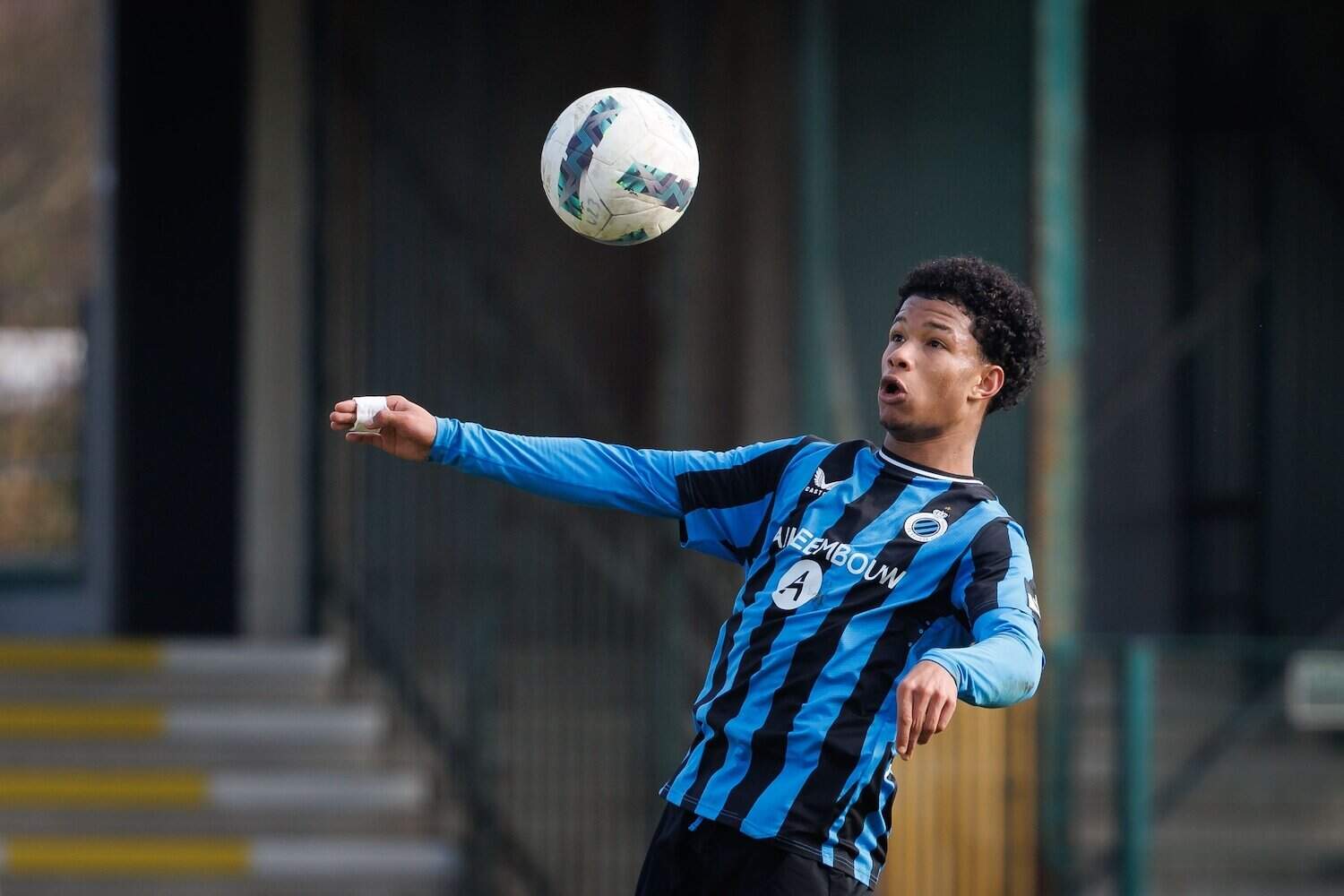
The headlines focus on the youngsters, and rightly so. Shandre Campbell of Club Brugge and Tylon Smith of Queens Park Rangers have been picked for the journey and the learning, not necessarily for minutes. Broos has been transparent about that intent, a long view that connects AFCON to the World Cup in the USA, Mexico and Canada next year.
“We will not really count on them to play. They can get a chance but it is mainly for them to experience Bafana training at a high level,” said Broos, who added that there are 23 players he can rely on to play.
Booth sees the upside too. He argues that a tournament of this magnitude is a classroom for talented prospects, even if their impact is felt later. The idea meshes with Bafana’s broader trajectory, building maturity through exposure and responsibility.
The big calls and the human cost
Selection is never only about systems on a whiteboard. It is also about people, and this squad includes some painful omissions. Themba Zwane misses out, a decision shaped by his lack of recent game time after injury. The admiration for his quality is undiminished, but the calendar is unforgiving.
“I love Zwane, but how much football has he played,” asked Manenzhe. “The tournament is in three weeks, not next year. He is a top-quality player, but he has not had enough game time.”
On the right flank, Morena is another who falls on the wrong side of the minutes ledger. The reasoning is consistent across the group, Broos has been clear that players returning from injury without recent match action could not be taken. There is a standby list with Iqraam Rayners, Mduduzi Shabalala and Thabo Moloisane, a reminder that the pool is competitive and unforgiving.
Lessons carried forward from Ivory Coast
There is a thread that runs from the last AFCON to this one, resilience learned under pressure. Bafana finished third in Ivory Coast after a stumbling start that demanded tactical tweaks and mental resolve. The penalty shootout defeat to Nigeria in the semifinals still stings, but it also informs how this team approaches the first whistle in Morocco.
“The previous AFCON was a very good experience for us in how international football is played,” said Broos. “We learned a lot and that helped us qualify for the World Cup and this AFCON. The team is so mature now.”
From that experience emerges a clear emphasis on the opening match. The idea is simple, avoid chasing the group. Beat Angola and the board looks different, the energy in camp steadies and the runway to Egypt and Zimbabwe shortens the anxiety.
Group B possibilities and pitfalls
The draw offers both familiarity and peril. Angola, Zimbabwe and Egypt are known quantities, and for Booth the hierarchy is unambiguous. Egypt will be the toughest opponent, a potential group decider if both sides take care of business in their first games. On paper, Booth believes Bafana should progress without major difficulty.
Yet AFCON rarely follows a tidy script. Angola on December 22 is both opportunity and hazard, a match that will test tempo and patience. Egypt comes with gravitas and Zimbabwe brings regional bite, and across the three fixtures the margins will hinge on control of transitions, set-piece reliability and defensive clarity on the flanks.
How the pieces might fit
Broos has already signposted formations that can bend to the moment. A back four can morph into a back five, with Matuludi suited to right wing-back duties if required. The left side is where the chessboard tightens, with Modiba the natural choice and Kabini or Mbokazi as cover if the shape shifts.
- this is how it is done, a balanced back four remains the base with quick full backs to stretch or tuck in,
- this is how it is done squared, a back five becomes the change-up to manage elite wingers and protect central spaces,
- this is how it is done cubed, midfield screens and ball security dictate when to press high or sit compact.
In attack, the selections suggest width and dribbling threat, with room for a target presence to occupy central defenders. The key is not a single plan, it is the capacity to make the right changes at the right time, choices made from strength not from panic.
Names and roles to watch
The spine and the support cast are well stocked. In goal, Ronwen Williams, Ricardo Goss and Sipho Chaine provide stability. Across the back line, Khuliso Mudau, Nkosinathi Sibisi, Siyabonga Ngezana, Khulumani Ndamane, Samukelo Kabini, Mbekezeli Mbokazi, Thabang Matuludi, Aubrey Modiba and Tylon Smith form a defensive pool that can flip between shapes.
Midfield carries the tournament’s heartbeat. Teboho Mokoena, Thalente Mbatha, Bathusi Aubaas and Sphephelo Sithole bring industry and range. In forward areas, Bafana can choose from Mohau Nkota, Elias Mokwana, Sipho Mbule, Relebohile Mofokeng, Oswin Appollis, Tshepang Moremi, Shandre Campbell, Lyle Foster and Evidence Makgopa, a unit that mixes creative spark with penalty area presence.
It is a 25-man selection with a clear inner circle, as Broos has said, he trusts 23 for the heavy lifting and wants Campbell and Smith to soak up the rhythms of an elite tournament. That is succession planning in real time, investment in future leaders while demanding results in the present.
Preparation and the final steps
There is still work to do before Bafana arrive in Morocco. The camp is expected to start early next week, with hopes of a friendly on December 16 or 17 to sharpen combinations and test ideas. Broos will briefly head to the United States for the World Cup finals draw, then return to drive preparations.
These details matter. Training loads, set-piece routines, communication lines, the small habits that turn a group into a team. It is here that the lessons from Ivory Coast and the courage of selection choices must mesh into rhythm and belief, the kind that carries you through tight minutes late in games.
What success looks like for South Africa
There is no false bravado in this camp. The talk is of maturity and concrete steps, like winning the opener and managing game states. The floor set by the last AFCON is a podium finish, but the belief is that the ceiling has risen, powered by continuity, competitive depth and a sharper understanding of what knockout football demands.
Matthew Booth’s assessment lines up with the internal mood. Group B is navigable, Egypt will test Bafana’s ceiling, and there is enough quality across the squad to expect progression. The left-back question is real, yet the broader framework that Broos has built, versatility under pressure, is designed to solve precisely these problems.
The final whistle before the first kick
AFCON is a stage where the smallest edges decide reputations. South Africa arrives with experience, ambition and a plan that values adaptability over rigid orthodoxy. If the first step against Angola lands with conviction, the echoes could carry all the way through the new year.
For now, the message is simple and strong. Trust the work, embrace the flexibility, lean on the maturity forged in Ivory Coast, and let the football speak. Bafana Bafana have earned the right to dream, and in Morocco, they have the tools to make those dreams feel tangible.